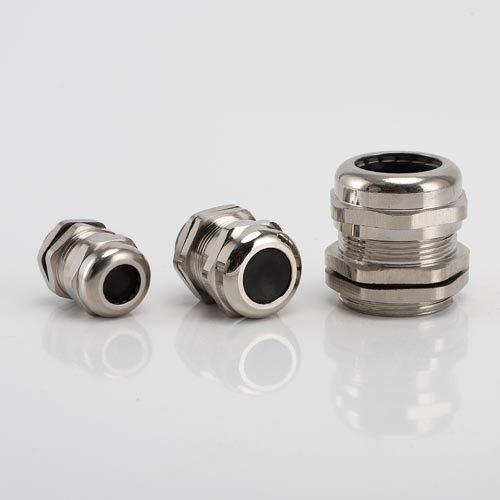
Outdoor cabinets experience heat in the day, cold at night and vibration during operation. Metal parts, plastic enclosures and cable jackets expand at different rates. A cable gland must keep enough compression on the cable without cutting into the jacket.
Why cable diameter matters
If the cable is near the minimum sealing range, temperature change can reduce pressure on the seal. If the cable is too large, the rubber seal may be damaged during tightening. Always match the real cable outside diameter, not just the nominal cable size.
Seal material is part of the decision
The rubber component must stay elastic in the working temperature range. A seal that becomes hard in cold weather or soft in high heat may lose compression. For outdoor cabinets, buyers should confirm temperature range, oil exposure, UV exposure and whether standard seals are enough.
Vibration and cable pull
Temperature swing is often combined with vibration. Pumps, motors, fans and vehicle equipment can move cables slightly over time. The gland should grip the cable jacket and provide strain relief, while the locknut keeps the panel-side seal compressed.
Installation checks
Do not over-tighten the cap nut to solve a size mismatch. Over-tightening can deform the seal or damage the cable jacket. If the cable is outside the recommended range, choose another gland size rather than forcing the installation.
What to send for selection
Send the cable OD, operating temperature, vibration condition, enclosure material and whether the installation is outdoor or indoor. These details help match nylon, brass or stainless steel glands with the right sealing structure.