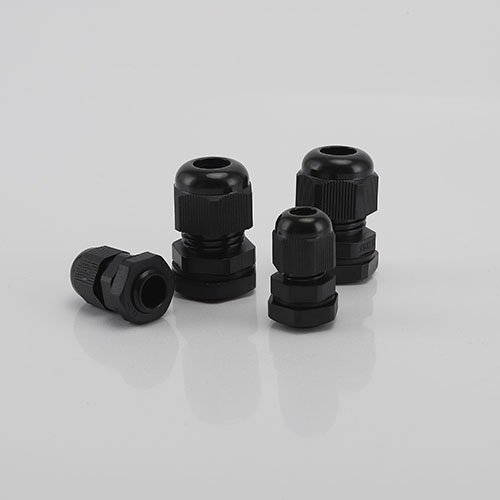
Nylon and brass cable glands are both common in electrical enclosures, but they are not used for the same reason. A good selection balances cost, mechanical strength, installation environment and the buyer’s required service life.
Where nylon glands are practical
Nylon cable glands are light, cost effective and suitable for many control boxes, lighting systems, junction boxes and general outdoor electrical projects. They are useful when the cable entry does not face heavy mechanical impact or high pulling force.
Where brass glands are stronger
Nickel-plated brass cable glands provide better mechanical strength and a more rigid connection to metal enclosures. They are often selected for machinery, control cabinets, power equipment, vibration areas and places where the gland may be handled frequently during maintenance.
Environment still matters
For chemical exposure, coastal sites or frequent washdown, material choice should be reviewed carefully. Nylon may be suitable for many outdoor jobs, brass is stronger mechanically, and stainless steel is often considered when corrosion resistance is the main concern.
Buyer checklist
Before ordering, confirm cable OD, thread size, panel thickness, IP requirement, installation environment and whether the project needs black, gray, nickel-plated or stainless appearance.