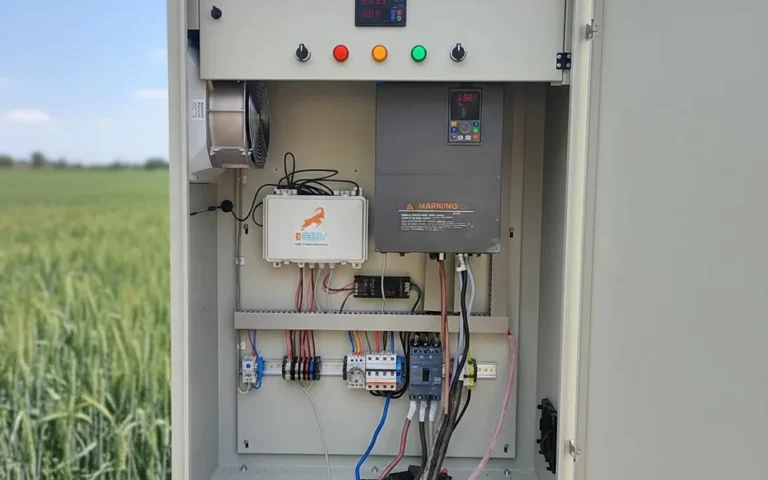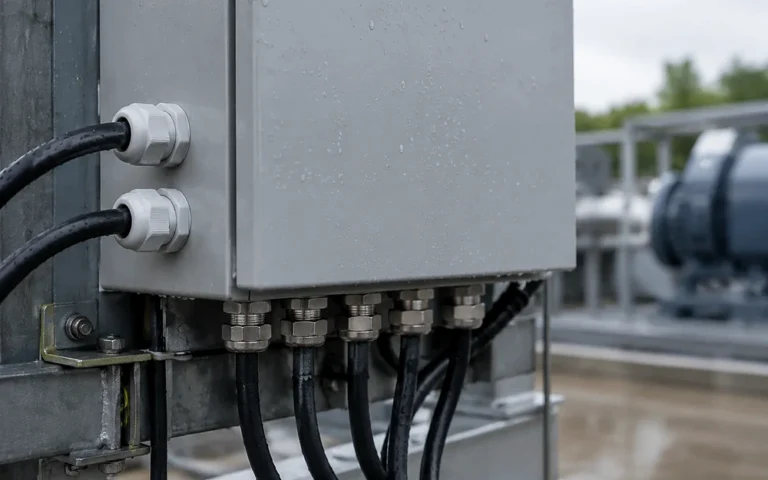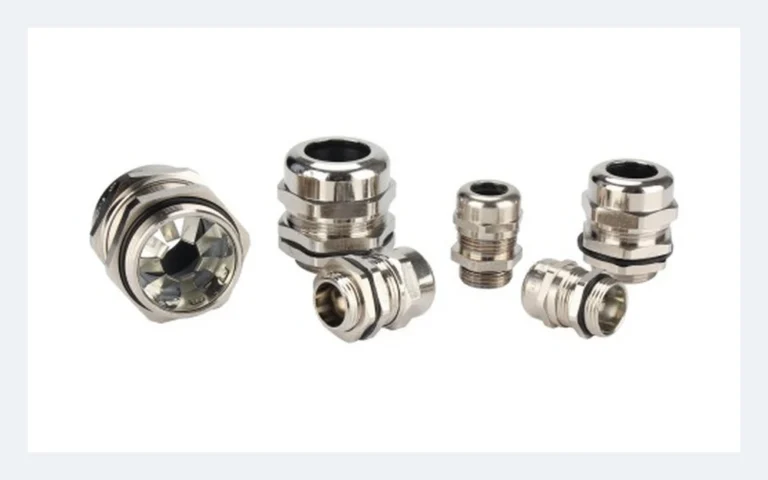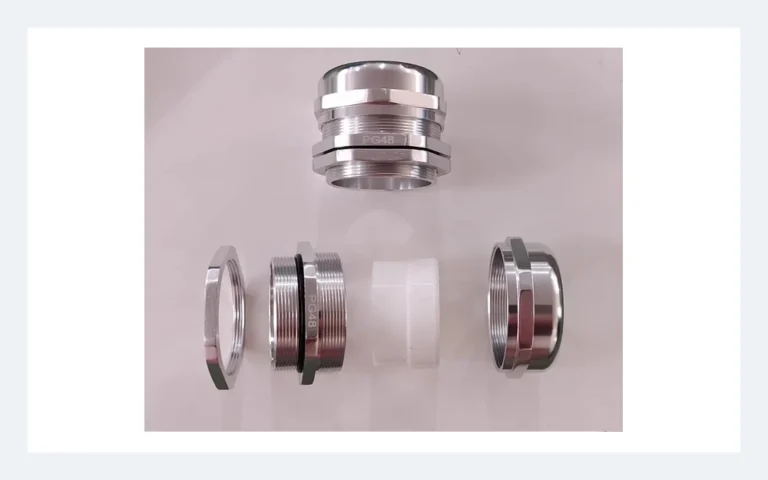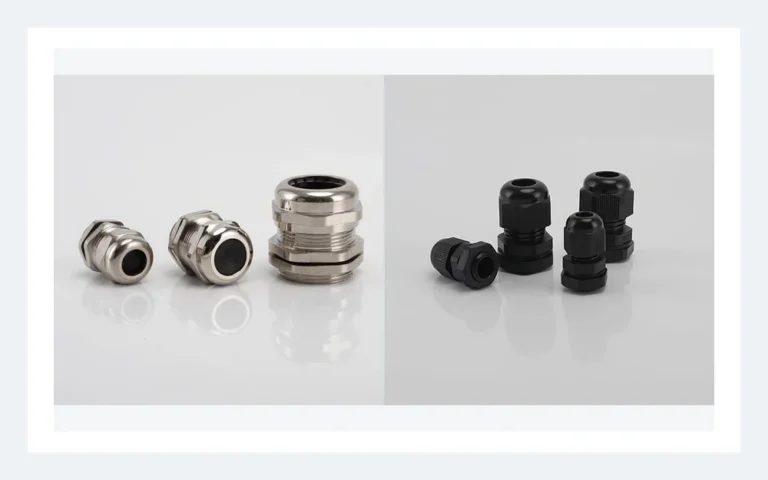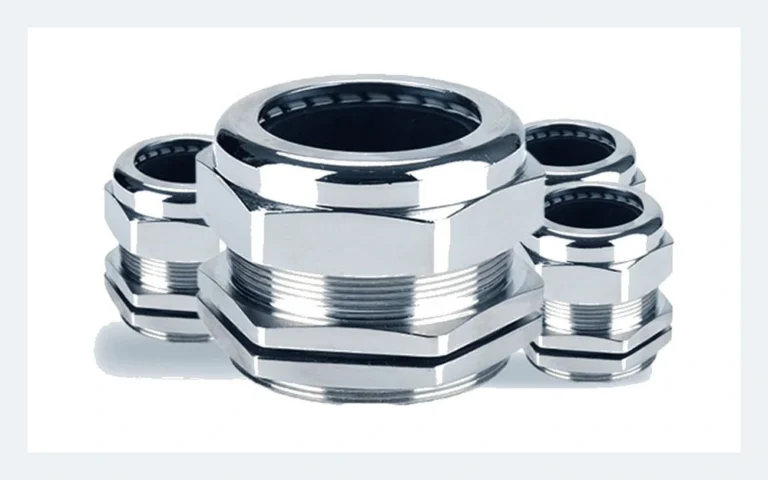
Choose Stainless Steel Cable Glands for Salt Spray and Chemical Cabinets?
A practical buyer guide for choosing 304 or 316 stainless steel cable glands when cable entries face salt spray, washdown water, chemicals or long outdoor service.
View MorePractical articles about cable gland selection, enclosure sealing, outdoor applications, installation details and preparing a clearer RFQ.
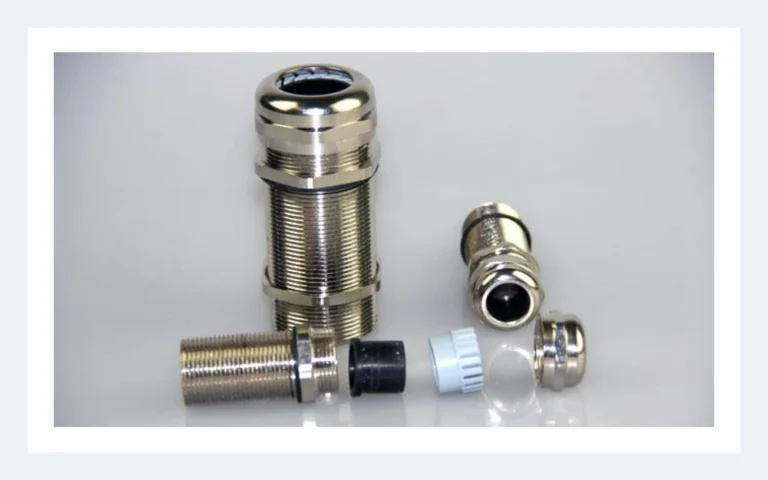
Use these notes to compare materials, cable ranges, thread standards and matched accessories before discussing a model list.

A practical buyer guide for choosing 304 or 316 stainless steel cable glands when cable entries face salt spray, washdown water, chemicals or long outdoor service.
View More
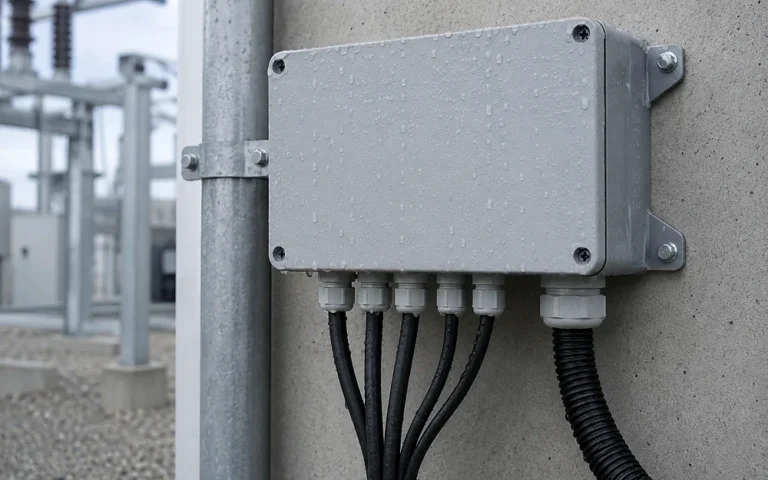
Long thread glands solve thick wall and cast enclosure installations where a standard thread cannot give the locknut enough engagement.
View More
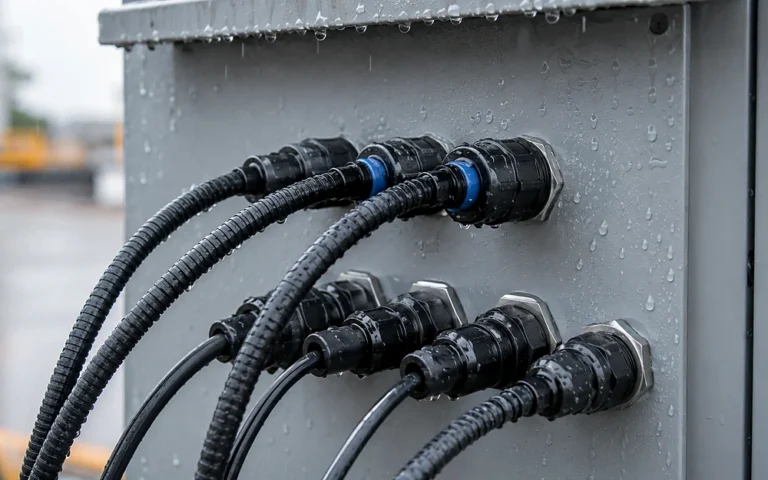
A box under an eave can still face horizontal rain, condensation and dust. The real weak points are usually cover gaskets and cable entries.
View More
Pump and irrigation panels face mud, insects, spray water and cable movement. The first inspection point is often the cable entry.
View More
Outdoor enclosures expand and contract. Cable OD, seal material and installation torque decide whether the entry stays waterproof.
View More
EMC cable glands combine environmental sealing, strain relief and shielding contact for automation and control cabinet wiring.
View More
A cable gland selection guide for buyers who need to match real cable outside diameter, mounting hole, thread type and enclosure wall thickness.
View More
Nylon and brass cable glands solve different installation problems. Compare cost, strength, corrosion, weight and cabinet application before ordering.
View More
Leakage around a cable gland is usually caused by wrong cable range, missing washer, loose locknut, damaged cable jacket or poor panel hole quality.
View MoreSend the cable outside diameter, mounting thread, enclosure type, material preference and quantity for a product matching discussion.